

Agenda/Faculty
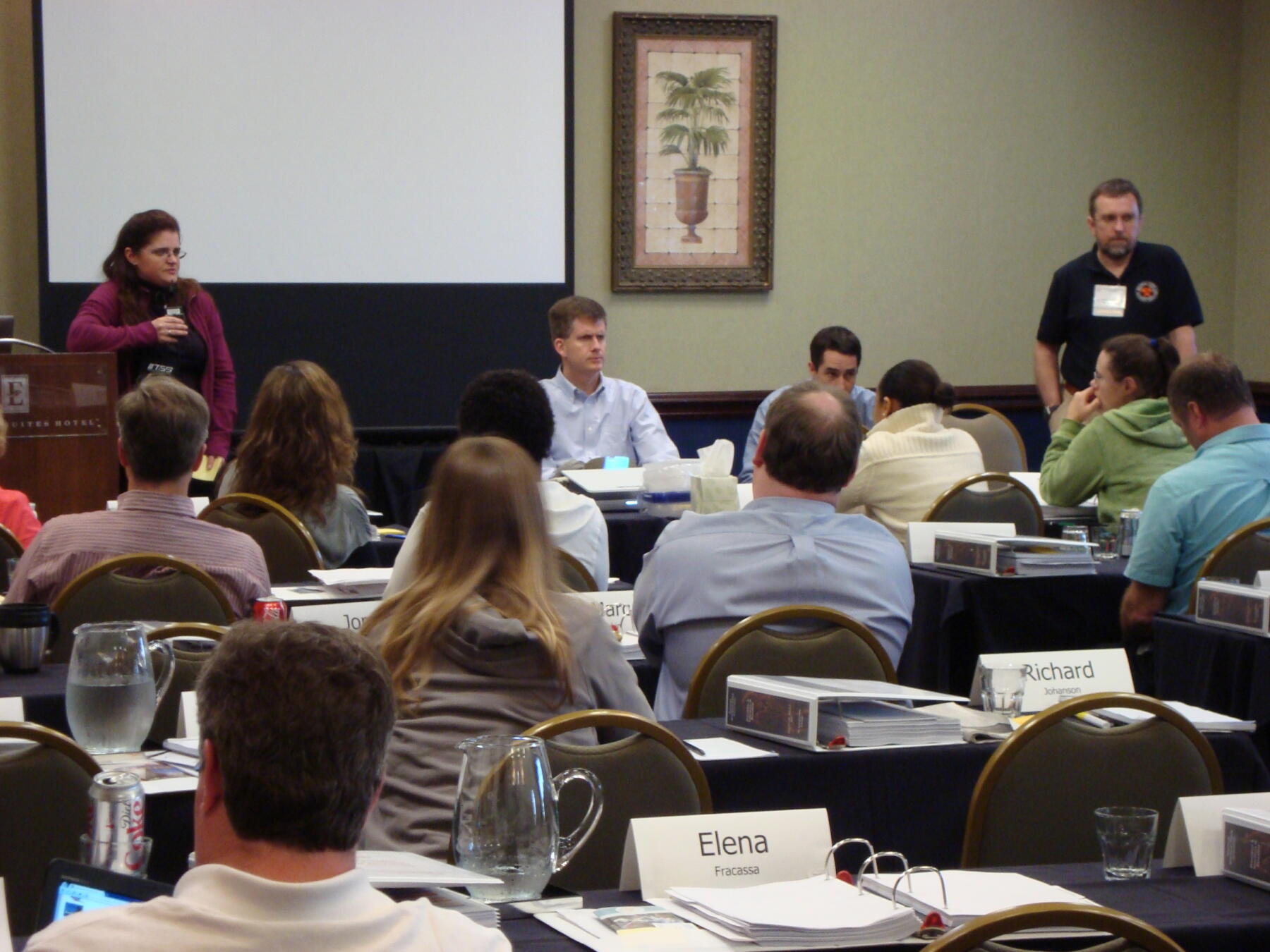
Sessions begin at 8:00 am each day and end with a roundtable discussion between 5:15 and 5:30 pm with two coffee breaks and lunch provided.
AGENDA (subject to change)
Sunday
6:00 – 7:00 pm: Opening Reception – Sign in and meet the instructors and other students that will be attending the course.
(This is not mandatory. You can also sign in early Monday morning.)
Monday
- Molecular Biology
- Introduction to Pathogenic Microbiology
- Risk Assessment
Tuesday
- Human Source Materials & Mammalian Cell Lines
- Research Animals & Allergens
- Biocontainment Equipment
- Course Dinner (6:30 to 9:00 pm)
Wednesday
- Biocontainment Facilities
- Biocontainment Practices
- Biocontainment Personal Protective Equipment (PPE)
Thursday
- Decontamination
- Disposal
- Emergency Response
- Biosecurity
Friday
- Shipment and Transfer of Biological Materials
- Strategies for Effective Biosafety Management & Communication
COURSE FACULTY
(not all listed faculty may serve as instructors at this offering)
Retired Biosafety Officer
Bahama, NC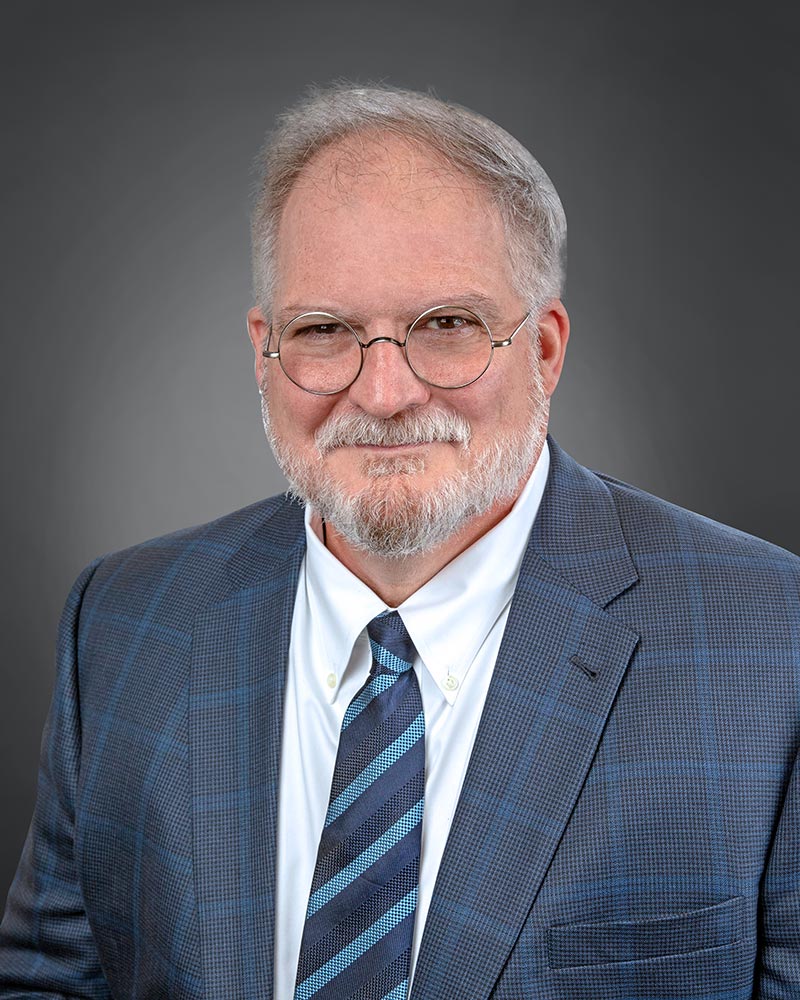
Pat Condreay received his undergraduate degree in biochemistry from Rice University and his graduate degree in microbiology from the University of Texas at Austin. For over thirty years he pursued a career in research, studying the molecular biology of different systems. His interests varied from the study of bacteriophages and human pathogenic viruses to the development of recombinant viral-mediated gene delivery technology and its application to cell-based assay development. Pat has developed and taught several classes on the use and biosafety implications of recombinant viral vectors in biomedical research for both the Eagleson Institute and ABSA International. He was part of the curriculum development team and is now the co-Lead for Principles & Practices of Biosafety®. After a 28-year career with GlaxoSmithKline Pat retired as a Group Leader in the Biological Sciences division of GSK Molecular Discovery Research. Pat had served on GSK’s EHS Executive Committee and chaired the Institutional Biosafety Committee and Biological Safety Committee at GSK’s Research Triangle Park site for 15 years. He also served as a community member of the Duke University IBC. After spending a few years consulting on biological safety with several companies and academic institutions, Pat joined the Duke Human Vaccine Institute as Biosafety Officer in 2018 and retired once again in 2025. Pat received the 2005 John H. Richardson Special Recognition Award from ABSA International, and he is a Past President of the Association.
 Senior Occupational Health & Safety Consultant
Environmental Health & Safety
Seattle Children’s Research Division
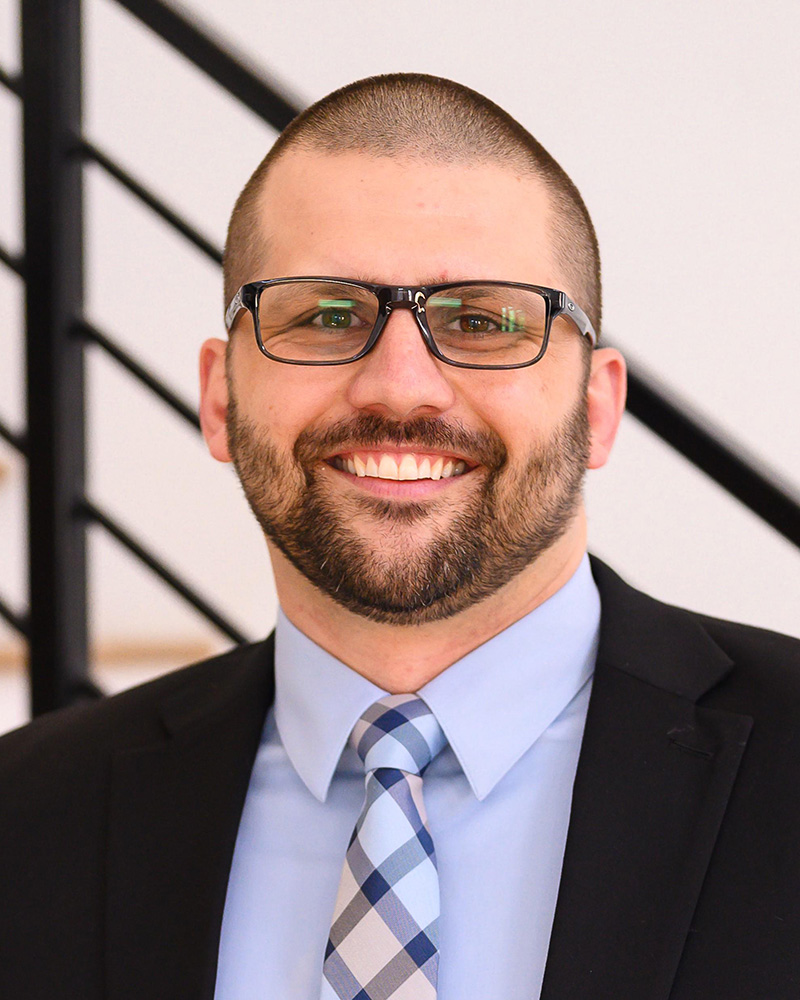
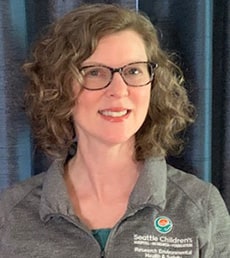
Michelle Kom Gochnour is the Senior Occupational Health and Safety Consultant with the Environmental Health and Safety (EHS) team at Seattle Children’s Research Division in Seattle, Washington. Her current role encompasses biosafety support for biosafety level 2 and 3 facilities, occupational health programs for researchers and support staff, consultation for chemical safety, strategies for animal research safety and health, guidance on emergency response protocols, as well as training, policy, and program development. She serves on Seattle Children’s Institutional Biosafety Committee (IBC) and Institutional Animal Care and Use Committee (IACUC), as well as the IBC at the Fred Hutchinson Cancer Center.
Michelle holds a master’s degree in occupational and environmental health nursing from University of Washington (UW). Previously, Michelle served as assistant director with that UW program, developing future generations of professionals. Her past career has included work and consultation in academia, governmental agencies, private industry, healthcare, the military, and for research laboratories.
Michelle presented Research Occupational Health: An Overview, a distance learning course for ABSA in 2023. She also teaches with the Eagleson Institute in their Advanced BSL-3 Practices and Procedures course, as well as their Preventing and Treating Biological Exposures colloquium. Michelle loves a good risk assessment discussion and collaborative problem-solving to foster improved control strategies.
 SOTER Bio Consulting
Roswell, GA
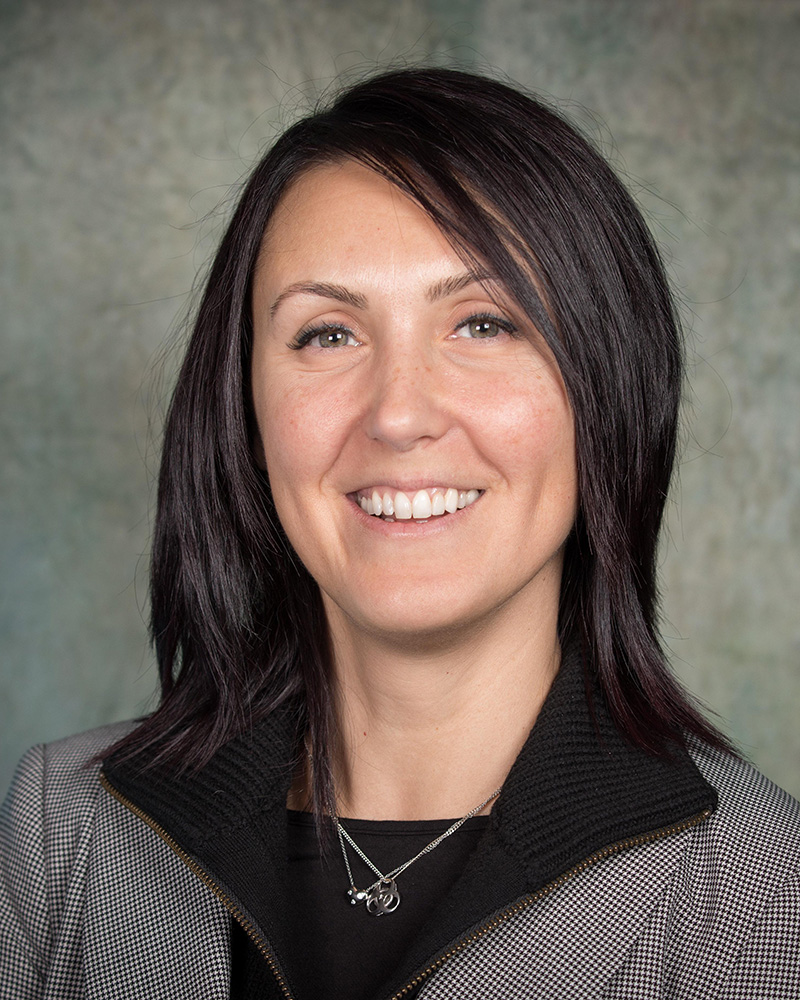
Natasha Griffith is the CEO of SOTER Bio Consulting, where she leads different national and international projects in response to health emergencies. She also serves as Associate Director, High Containment Core at Georgia State University (GSU) where she leads a multidisciplinary team to support safe operations and maintenance (O&M) of all high-containment facilities (BSL-3, ABSL-3, and BSL-4) at GSU. Natasha earned her Master of Science degree in Microbial Pathogenesis and a Bachelor of Science degree in Microbiology, Immunology and Molecular Genetics from UCLA as well as Master of Public Health in Paris, France. With over 20 years of experience, Natasha has led numerous international missions in response to infectious disease outbreaks. Before joining GSU, Natasha was the Branch Chief of Quality and Safety Systems, DLS, CSELS at the CDC where she led quality and safety staff to support the development of standards, guidelines, recommendations, and tools for improved quality and safety in clinical and public health laboratories. While at the CDC, Natasha also implemented and managed international projects in response to outbreaks of infectious diseases in various countries. These projects included development of program initiatives for a variety of local, national and international public health institutions in both English and French. Prior to her work at CDC, Natasha established and operated a state-of-art Tier 1 Select Agent high-containment program at UCLA. For over a decade, Natasha directed all high-contaminant facilities and served as the Responsible Official (CDC DSAT) for all select agent research at the University of California, Los Angeles (UCLA).
 Director of Biocontainment Operations, Biosafety Engineer
Cornell College of Veterinary Medicine
Ithica, NY
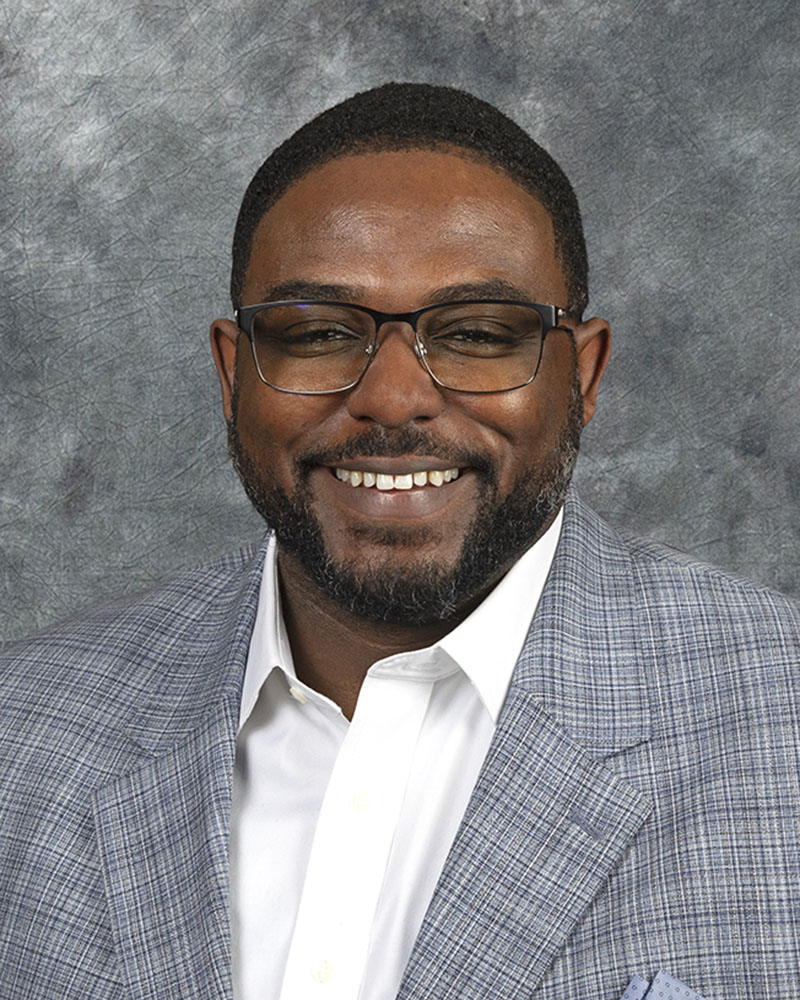
Paul Jennette holds Bachelor’s and Master’s Degrees in Environmental Engineering from Cornell and the University of Massachusetts, respectively, and is both a Registered Professional Engineer and a Certified Biological Safety Professional. Since 1999, he has held the position of Biosafety Engineer at the Cornell College of Veterinary Medicine and has also been the Director of Biocontainment Operations there since 2013. Paul’s responsibilities include:
- design, verification, operation, decontamination, and program management related to Cornell’s BSL-3, ACL-3, and ABSL-3 facilities, which include both research & diagnostic laboratories as well as a BSL-3 large animal necropsy
- training all Cornell BSL-3 scientific and support staff and providing direct, in-containment support for BSL-3 diagnostic operations
- directing the operations of Cornell’s medical and pathological waste treatment facility, which includes a 5,000-lb/batch carcass digester
- serving on Cornell’s Institutional Biosafety Committee and directing the Cornell Vet College Rabies Risk Management Program.
Paul serves on biosecurity teams for Select Agent Labs at the Cornell Vet College and provides technical support for the College’s effluent decontamination systems. He served as the American Biological Safety Association’s representative on the ANSI committee to develop a national standard for the verification of BSL-3 facility performance, is a reviewer and lead author of a technical column for the Applied Biosafety journal, and is a member of ABSA’s Professional Development Team. He is a co-chair of ABSA’s Principles & Practices of Biosafety® class as well as a regular instructor for BSL-3 courses offered by the Eagleson Institute and ABSA. In addition to his position at Cornell, Paul provides biocontainment operations consulting services to a variety of academic, governmental, and pharmaceutical clients.
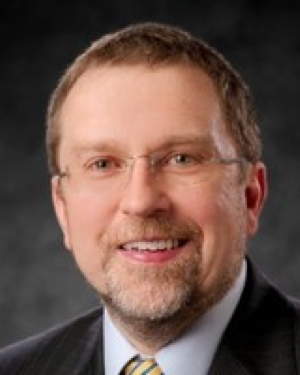 Biosafety Consultant
Paul is currently a biosafety consultant, providing guidance and training to a number of academic and government institutions regarding safe containment practices. Prior to retiring from the CDC in 2019, he was the Associate Director for Laboratory Science in the Office of Laboratory Science and Safety. Paul also served as the Director of the Environment, Safety, and Health Compliance Office for CDC.
From 1996 to 2010, he served in a variety of positions at Merck and Co., Inc. He has also been an Assistant Professor in Biological Sciences at Northern Illinois University. Paul has an undergraduate degree in Biology and Chemistry from SUNY College at Oswego, New York (1977), a Ph.D. in Radiation Biology from the University of Rochester (1983), and an MPH in Occupational Health and Safety Management from Tulane University (2003).
He also holds RBP and CBSP certifications from ABSA. He has served two terms on the ABSA Council as Secretary and one term as President, has served as President of the Mid-Atlantic Biological Safety Association (MABSA) and the Southeast Biological Safety Association (SEBSA). He has been a member of numerous Federal taskforces and committees.
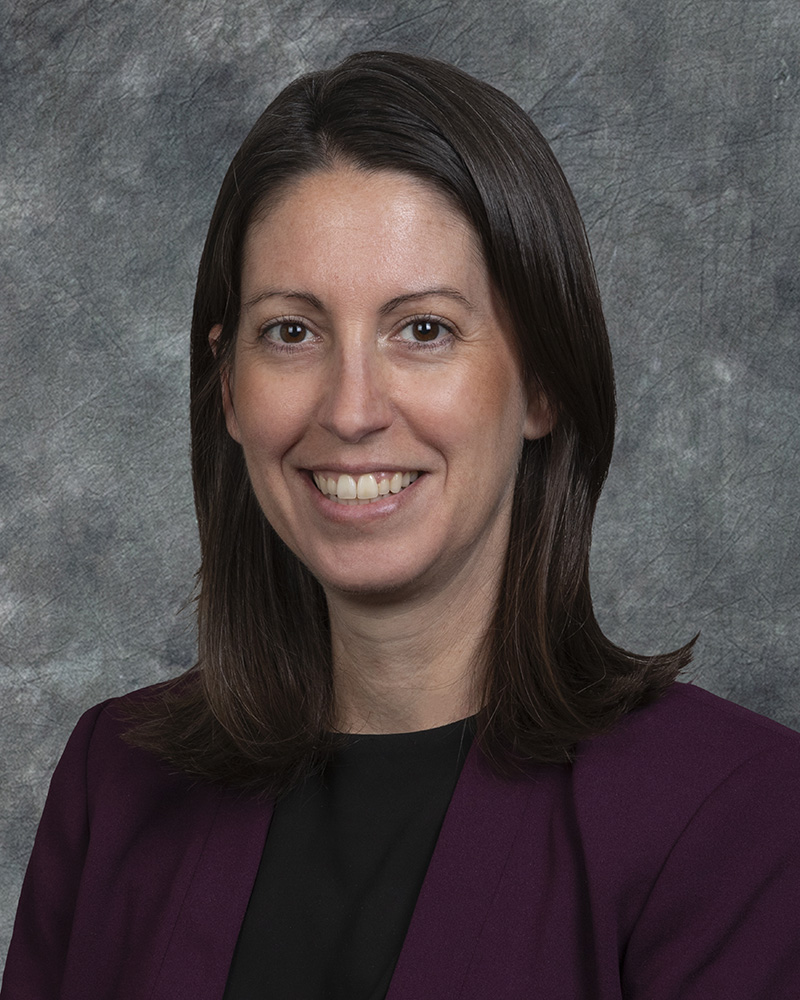 Director of Biosafety
Institutional Biosafety Officer
Alternate Responsible Official
University of Texas Medical Branch
Galveston, TX
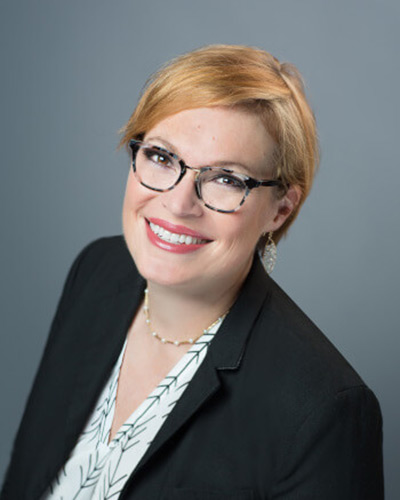
Corrie Ntiforo is the Director of Biosafety at the University of Texas Medical Branch in Galveston, where she also serves as the Institutional Biosafety Officer and Alternate Responsible Official. With over 17 years of experience, Ms. Ntiforo is a seasoned biosafety professional known for leading world-class biosafety programs in high and maximum containment laboratories, Select Agent programs, and biosafety operations in both academic and healthcare settings.
Specializing in the oversight of high-containment laboratories, biosafety training, and biocontainment unit operations for patients with high-consequence infectious diseases (HCID), Ms. Ntiforo is skilled in establishing best practices, prevention measures, and rapid response protocols. She is certified in HAZWOPER (40-hour), IATA Dangerous Goods Shipping, and FEMA Incident Response.
Before joining UTMB, she served as a Biosafety Specialist and Alternate Responsible Official at Tulane University’s National Primate Research Center, where she played a key role in the launch of the Regional Biocontainment Laboratory (RBL). Ms. Ntiforo holds a Master of Science in Public Health in Parasitology and Tropical Medicine from Tulane University and a bachelor’s degree in microbiology from the University of Massachusetts Amherst.
She is a Registered Biosafety Professional (RBP) through the American Biological Safety Association (ABSA), where she contributes to the Professional Development Committee, BSAT Community Advocate Committee, and Biosafety Metrics Task Force. She is also an active participant in the NIAID NBL/RBL Network, NETEC, and the RAV3N BSL-3 Network.
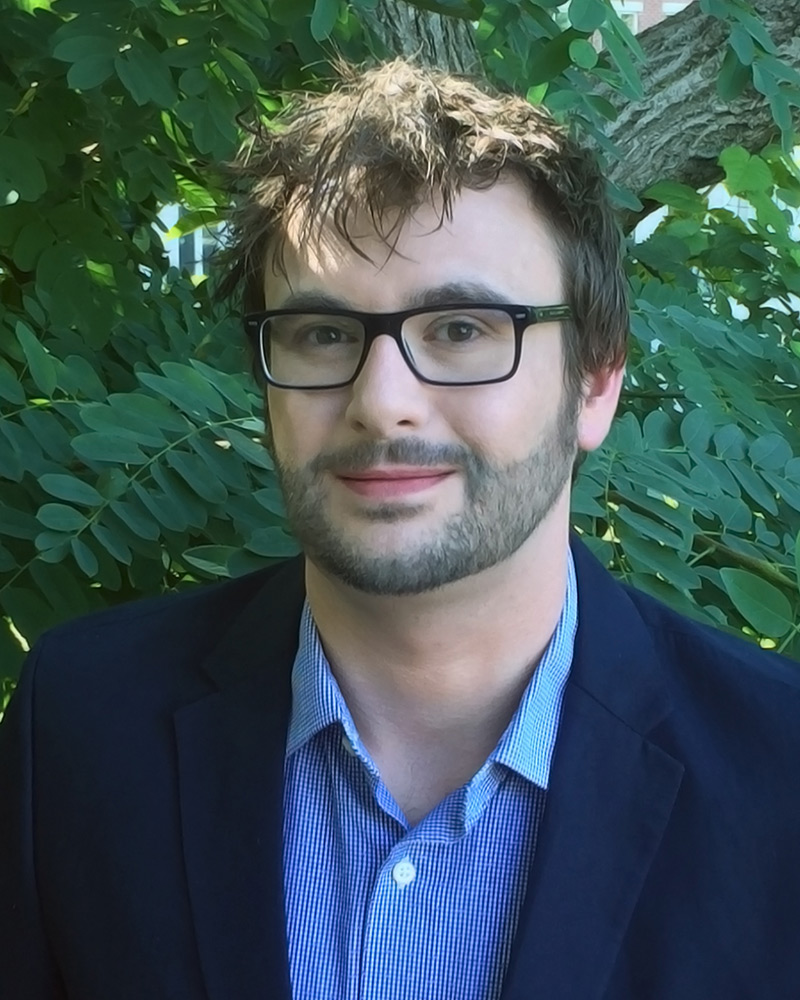
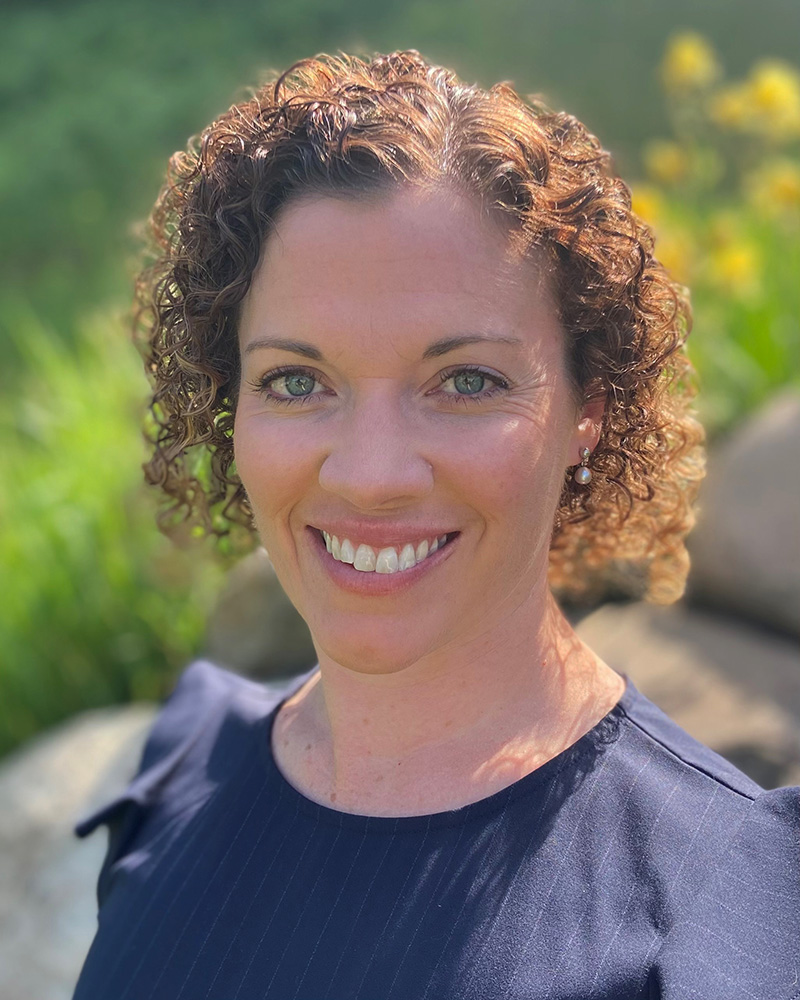 Merrick & Company
Madison, WI
Carrie Smith is a seasoned biosafety professional with over fifteen years of experience spanning academia, government, and the private sector. As a Senior Scientist at Merrick & Company, she specializes in biosafety and laboratory operations planning, helping clients design and transition laboratories through new constructions, renovations, and strategic upgrades. Her expertise also extends to assisting clients with training, compliance inspection preparedness, biosafety program development, decontamination strategies, documentation development, and other critical biosafety initiatives.
Before joining Merrick, Carrie held key roles in biosafety leadership, serving as BSO and ARO at Oklahoma State University, a biosafety specialist and trainer at the University of Wisconsin-Madison, and BSO and ARO at the USGS National Wildlife Health Center. She earned her undergraduate degree in Biology with a concentration in Biotechnology from the University of Delaware and went on to complete her Ph.D. in Genetics at North Carolina State University, where her research encompassed recombinant bacteria, viruses, fungi, plants, and biological toxins.
Throughout her career, Carrie has successfully led both small and large biosafety programs, demonstrating expertise in BSL-3/ABSL-3 oversight, atypical animal biocontainment, select agent program management, recombinant technology, plant biosafety, diagnostic laboratory protocols, and the development of online and in-person training. In addition to her professional contributions, she is deeply involved in educational initiatives, serving as an instructor for ABSA’s Principles & Practices of Biosafety Course®, teaching the ABSA BSL-3 Operations and Management professional development course, and actively participating in the Preconference Course Committee.
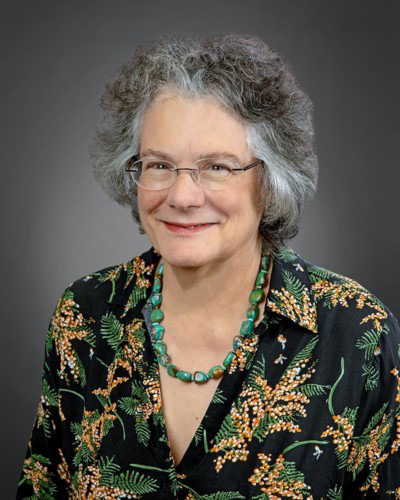 Biosafety Consultant
Galveston, TX
Domenica (Dee) Zimmerman retired from the University of Texas Medical Branch, Environmental Health and Safety. She was the university biosafety officer, director of the Health, safety and training core for the UTMB Galveston National Laboratory, senior environmental health and safety consultant in the Biological Safety program and served as the university’s select agent program alternate responsible official, IBC member and coordinator. Her duties include working closely with research staff in BSL-2, BSL-3. BSL-4, ABSL-2, 3, and 4 laboratories working closely with research scientists, biocontainment engineers, facility staff and occupational health. Dee was with the University of Texas Medical Branch from 1982 until retiring in 2017. She attended Inter-American University in Puerto Rico and was the lab and safety coordinator for the Marine Ecology Division, Center for Energy and Environmental Research at the University of Puerto Rico. Dee is the 2019 Past President of ABSA International.